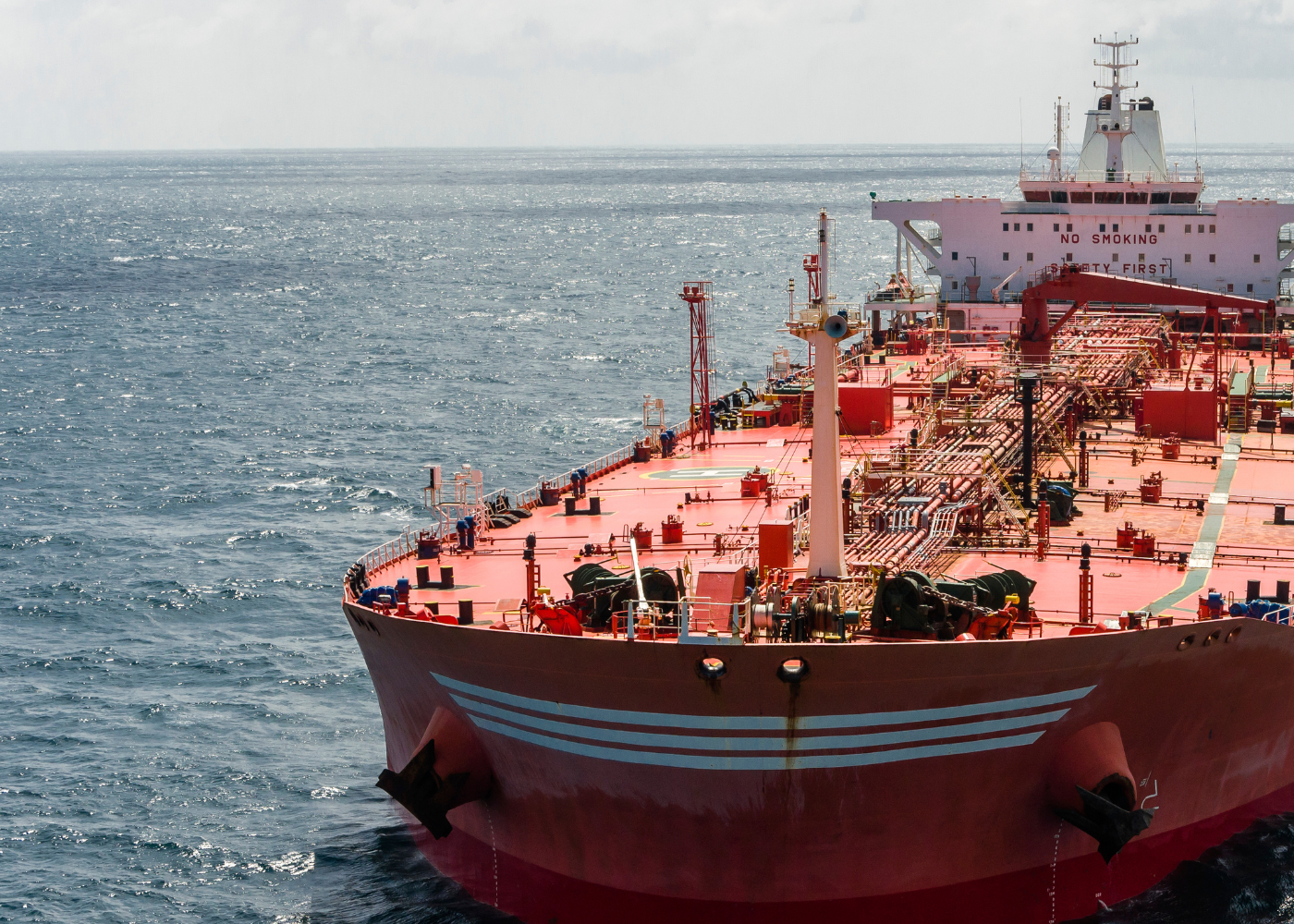
Cargo Tank Venting Systems: Safety, Compliance and the Role of High Velocity Pressure Vacuum Valves
Cargo Tank Venting Is More Than Pressure Relief
Cargo tank venting is a critical safety function on board a tanker. Whether transporting crude oil, chemicals, LNG, methanol or ammonia, cargo tanks must be protected against overpressure, vacuum conditions and ignition hazards while allowing controlled venting of vapours. As international regulations continue to evolve and alternative fuels become more common, cargo tank venting has become a specialised engineering discipline rather than a simple pressure relief function.
High Velocity Pressure Vacuum Valves (HVPV valves) are one important part of many venting arrangements. Depending on the tank type, cargo, installation and regulatory requirements, they may help protect cargo tanks from pressure fluctuations and help prevent flame passage into the cargo tank. Selecting the correct venting solution is essential for protecting the vessel, the cargo, the crew and the environment.
What Is a Cargo Tank Venting System?
A cargo tank venting system controls the flow of gases into and out of cargo tanks during loading, unloading and normal voyage. As cargo expands or contracts due to temperature changes or cargo operations, pressure inside the tank changes continuously. Without a properly designed venting system, these pressure variations may exceed the structural limits of the cargo tank or create unsafe operating conditions.
A complete cargo tank venting system may include:
- High Velocity Pressure Vacuum Valves.
- Inert Gas systems.
- Vapour Emission Control Systems.
- Mast risers.
- Vent piping.
- Monitoring and alarm systems.
Together, these components help maintain safe operating pressure while supporting compliance with applicable international regulations.
The Three Safety Functions of Cargo Tank Venting
An effective cargo tank venting system typically performs three essential safety functions.
1. Protection Against Overpressure
During loading or thermal expansion, pressure inside the cargo tank can increase rapidly. Pressure/vacuum valves open automatically to release excess pressure while maintaining the cargo tank within its approved operating limits, helping protect both the tank structure and connected equipment.
2. Protection Against Vacuum
During cargo discharge or cooling, vacuum conditions may develop inside the cargo tank. If not properly controlled, excessive vacuum can cause structural damage. The vacuum function of the valve allows atmospheric air or inert gas to enter the system in a controlled manner, helping prevent tank deformation while maintaining safe operation.
3. Prevention of Flame Passage
Another important safety function is preventing flame from entering the cargo tank. Under applicable IMO and ISO requirements, certain pressure/vacuum valves are designed and tested as devices to prevent the passage of flame. To achieve this, the system may incorporate flame-arresting elements designed to protect both flow and static conditions, depending on the valve design and certification basis. For vessels carrying flammable cargoes or operating with alternative fuels such as methanol or ammonia, this protection can be fundamental to vessel safety.
Why High Velocity Matters
The purpose of a High Velocity Pressure Vacuum Valve is not only to relieve pressure. These valves are designed to discharge vapours at high exit velocity, directing flammable or toxic gases safely away from working areas on deck.
High exit velocity can contribute to:
- Improved crew safety.
- Better gas dispersion.
- Reduced ignition risk.
- Support for compliance with applicable IMO and ISO requirements.
This becomes especially relevant on vessels with compact deck layouts or long vent pipe arrangements.
Compliance With International Requirements
Cargo tank venting systems must comply with a range of international regulations and standards.
These commonly include:
- IMO MSC.1/Circ.677/Rev.1.
- ISO 15364:2021.
- ISO 16852.
- SOLAS requirements.
For methanol and ammonia applications, additional project-specific and class-related requirements may apply, depending on the installation, cargo system and approval basis. The type approval certificate should clearly specify the cargoes, vent pipe lengths, explosion groups and test conditions for which the valve has been approved.
Cargo Tank Venting for Alternative Fuels
The increasing use of methanol and ammonia has introduced new challenges for cargo tank venting systems.
These installations may involve:
- Long double-wall vent pipes.
- Toxic vapours.
- Higher vapour pressure.
- More difficult maintenance access.
- Stricter regulatory and class requirements.
These conditions place greater demands on the venting equipment.
A properly designed High Velocity Pressure Vacuum Valve should therefore:
- Perform consistently without oscillation.
- Be certified for the intended vent pipe configuration.
- Meet relevant flame-arresting and endurance test requirements.
- Minimise leakage.
- Require limited maintenance over extended service intervals.
Why Valve Design Matters
Not all High Velocity Pressure Vacuum Valves perform in the same way. Some designs may create larger pressure fluctuations during opening, while others provide more stable and predictable operation.
Modern designs can offer operational advantages such as:
- Stable opening characteristics.
- Reduced blowdown.
- Lower vapour emissions.
- Non-hammering operation.
- Consistent performance.
- Reduced maintenance.
- Improved reliability in long vent pipe systems.
Valve design therefore has a direct impact on safety, emissions, maintenance costs and operational efficiency.
Conclusion
Cargo tank venting is far more than pressure relief. A properly engineered cargo tank venting system helps protect the cargo tank against overpressure and vacuum while also reducing the risk of flame passage through certified flame-arresting technology where required.
As regulations evolve and alternative fuels become more widespread, choosing the correct pressure/vacuum valve is important for safe operations, regulatory compliance and long-term reliability. At Pres-Vac Engineering, we combine engineering experience with documented performance to help shipowners and shipbuilders design safer and more efficient cargo tank venting systems.