
Maintaining and upgrading FPSO vent systems over time
FPSOs are designed for long operational lifetimes. Over time, however, pressure-vacuum systems require structured maintenance, overhaul and, in some cases, replacement. For Pres-Vac, supporting existing FPSOs is primarily about ensuring continued performance within established regulatory frameworks.

About the expert
Javad Piruzjam works with global offshore, FPSO and marine tanker retrofit projects and spare parts at Pres-Vac Engineering, where he supports EPCs, shipyards and owners with pressure/vacuum valve systems and venting solutions for offshore and marine applications.
His work focuses on upgrading and designing PVSVs and Breather Valves according to new regulations and standards, ensuring safe replacement and long-term operational design for complex offshore environments.
Through close collaboration with customers, Javad contributes to providing training workshops for technician crews and developing safe and future-ready solutions for the maritime industry.
“Most FPSOs operate with equipment that was fully compliant when installed,” says Javad Piruzjam, who is responsible for FPSO lifecycle support at Pres-Vac. “There is generally no requirement to upgrade to newer standards unless the operator decides to do so.”
Overhaul versus upgrade
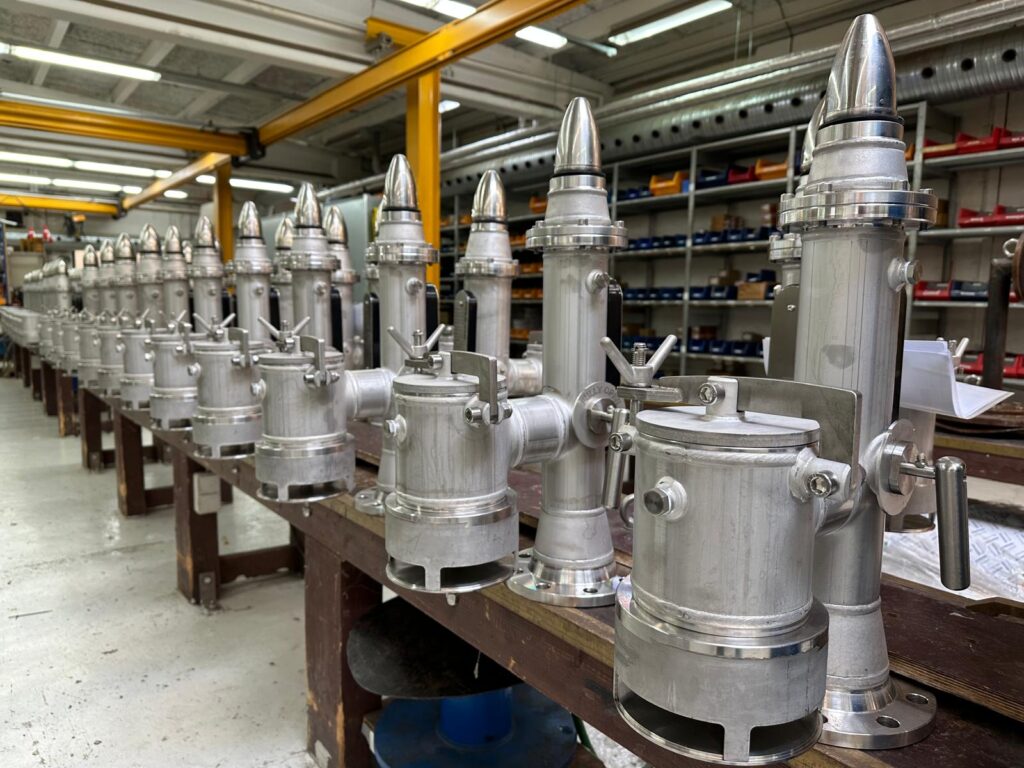
Pres-Vac distinguishes clearly between overhaul and upgrade. Overhaul involves disassembly, inspection, replacement of worn components and recalibration to restore a valve to its original condition and performance. This is typically carried out during planned yard stays or scheduled maintenance periods.
“Our core activity has traditionally been overhaul and spare part supply,” Javad Piruzjam explains. “We restore existing valves to their original specification and ensure they continue to perform as intended.”
Upgrade or replacement, by contrast, involves installing newer valve designs that offer improved technical performance, tighter tolerances or enhanced emissions control.
“In some cases, operators choose to replace older valve models with newer designs,” Javad Piruzjam says. “That is not because they are forced to do so by regulation, but because they see technical or operational benefits in our new product generations.”
Supporting informed decisions
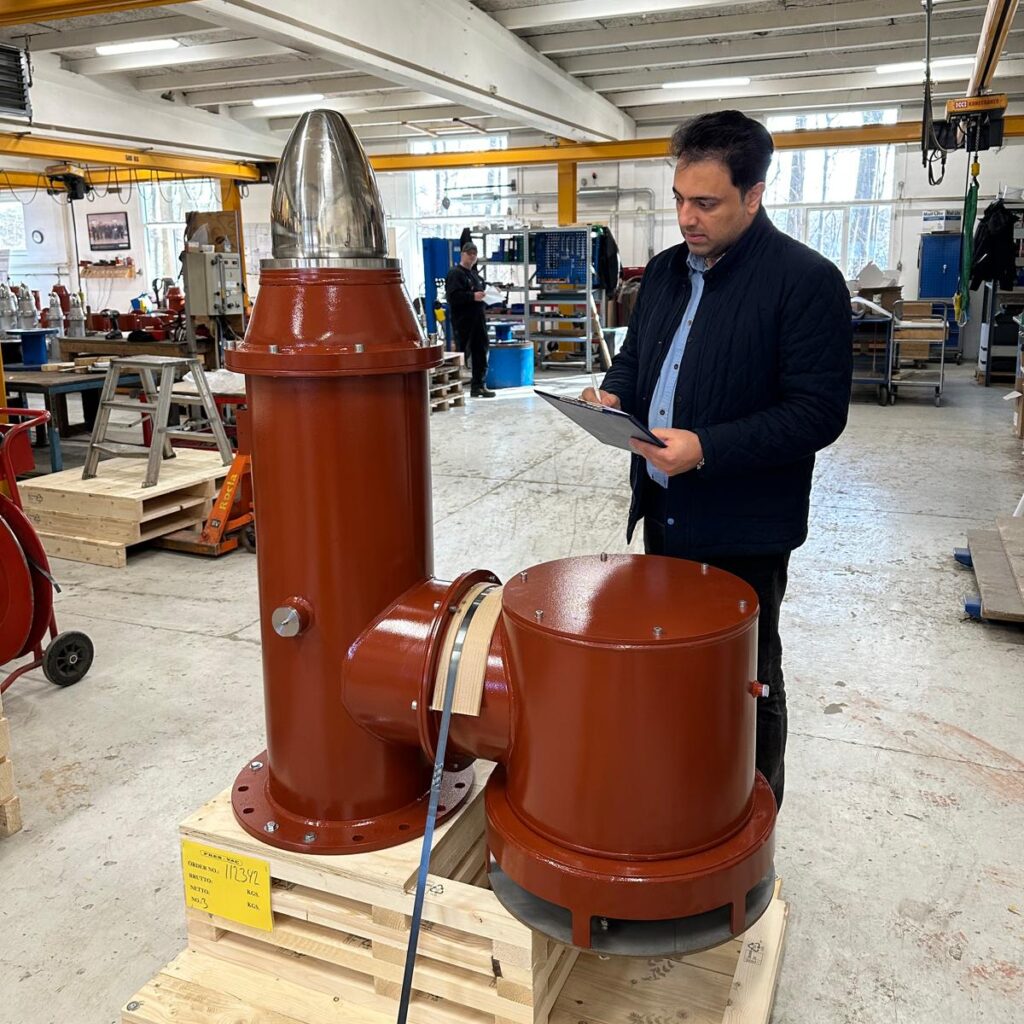
A recent project involved replacing older valves with more modern designs offering improved performance and reduced leakage. The process began with repair and overhaul of existing units, followed by technical dialogue about the advantages of newer models.
“It was important to explain clearly what the technical improvements would mean in practice,” Javad Piruzjam explains. “When customers understand the benefits in terms of performance and safety margin, they can make informed decisions.”
Documentation and process discipline
Work on existing FPSOs is typically carried out during yard stays. Even when changes are limited to overhaul or like-for-like replacement, documentation and approval processes remain essential.
“Supplying hardware is only part of the task,” says Javad Piruzjam. “Operators and oil majors require clear documentation, testing records and class acceptance. That process is structured and thorough.”
Unlike trading tankers, FPSOs operate under stricter rules and closer process-related requirements. This increases the importance of documentation and reporting.
“The difference compared with tankers is often the level of reporting and the regulatory framework around the equipment,” Javad Piruzjam notes. “That is part of the FPSO environment.”
Long-term performance
For Pres-Vac, lifecycle support is ultimately about maintaining predictable performance over decades of operation.
“Pressure-vacuum valves may be small components,” Javad Piruzjam concludes, “but they influence safety, emissions and working conditions on board. Keeping them in optimal condition is an important part of long-term FPSO reliability.”