
Pres-Vac strengthens its position in the offshore platforms and FPSO market through lifecycle-focused solutions
In the global FPSO market, pressure-vacuum relief and breather systems rarely attract much attention. Even so, they play a decisive role in safety, emissions control and long-term regulatory compliance. For Pres-Vac, the FPSO segment has become a strategic focus as operators, EPCs and oil majors increasingly prioritise reliability, documentation and lifecycle performance.
Pres-Vac approaches the FPSO market from two distinct but connected angles: support for newbuild projects and lifecycle support for existing installations, including overhaul, replacement and selected retrofits and upgrades. Both areas require a different mindset from conventional tanker applications.
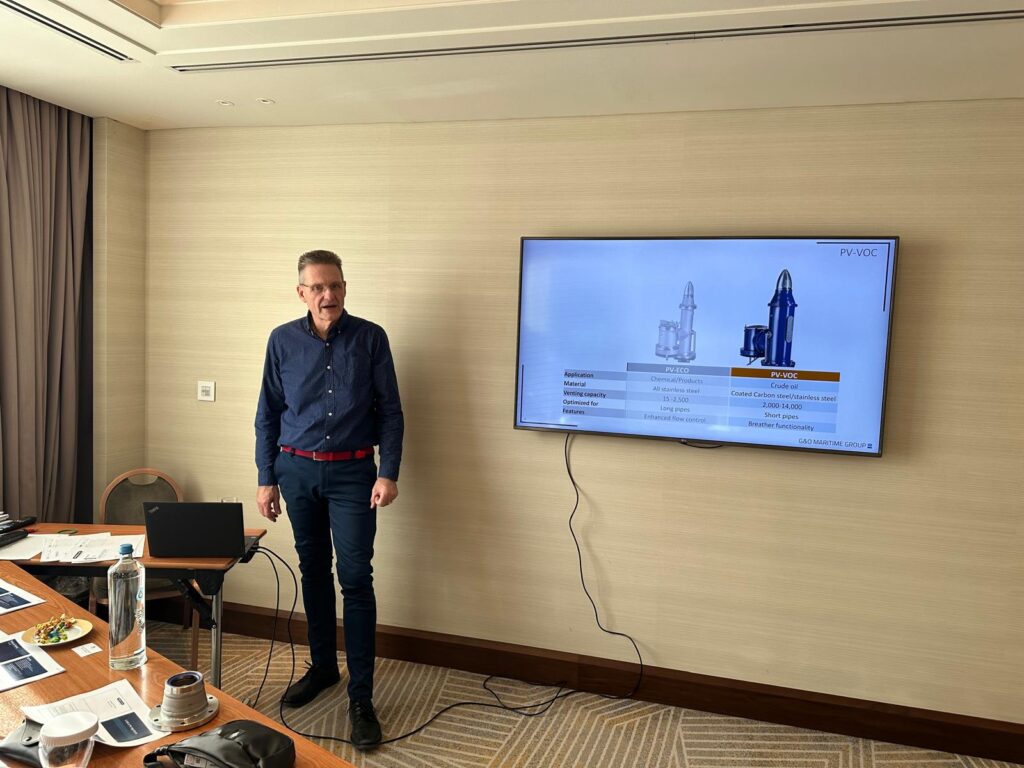
“FPSOs are long-life assets that are expected to operate continuously for 20 to 30 years,” says Jens Bøgely, who is responsible for newbuild FPSO projects at Pres-Vac. “Once an FPSO is installed and producing, physical changes become complex and expensive. That makes correct design decisions early in the project very important.”
FPSOs cannot be treated like conventional tankers
Unlike trading vessels, FPSOs combine marine systems with continuous oil and gas production. Pressure and vacuum valves are therefore closely linked to process safety, venting philosophy and emissions performance.
“On FPSOs, pressure and vacuum valves are not standalone components,” Jens Bøgely explains. “They are part of a wider and more complex system that includes vent piping, hazardous area considerations and emissions performance. If that system is not considered as a whole, it can create unnecessary risk later.”
This complexity has led Pres-Vac to work closely with FPSO contractors and operators including SBM Offshore, MODEC, Saipem and Keppel, as well as end users such as TotalEnergies, ExxonMobil and Shell.
Newbuild and lifecycle support require different disciplines
While newbuild FPSOs allow optimisation during the design phase, existing FPSOs require careful lifecycle management. In many cases, original installations remain compliant with the rules that applied at the time of construction. There is typically no automatic requirement to upgrade to newer standards.
“Many FPSOs operate with systems that were fully compliant when they were built,” says Javad Piruzjam, who is responsible for FPSO lifecycle support projects at Pres-Vac. “There is no general obligation to upgrade to the latest rules. However, operators sometimes choose to modernise equipment to improve performance, increase safety margins or reduce emissions.”
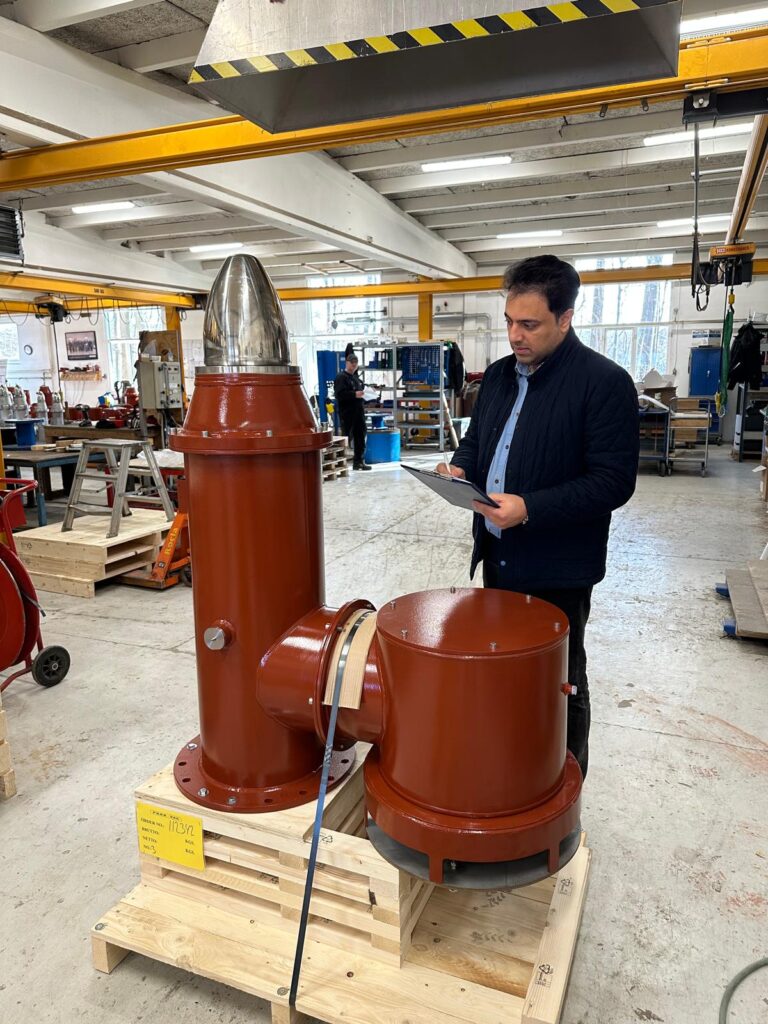
Pres-Vac supports these decisions through structured overhaul, spare part supply, replacement of ageing components and, in selected cases, installation of more modern valve designs.
Regulation as a strategic advantage
A key differentiator for Pres-Vac is its active involvement in international regulatory work, including IMO and ISO standards related to high-velocity pressure-vacuum valves, protection of offshore units against overpressure and vacuum conditions, and fire relief systems. Rather than simply reacting to regulatory change, the company aims to understand how evolving requirements may affect FPSOs over time.
“The main risk for FPSO owners is not only non-compliance today,” says Jens Bøgely. “It is installing equipment that later proves difficult to document or maintain over the asset’s lifetime.”
Javad Piruzjam adds: “When customers consider upgrading or replacing equipment, they want confidence that the solution will remain acceptable for many years and support compliance with evolving requirements without creating unnecessary extra documentation, certification work or class involvement.”
From supplier to long-term partner
Across both newbuild and lifecycle support projects, Pres-Vac positions itself as a long-term technical partner rather than a component supplier.
“Pressure-vacuum valves may be relatively small components,” says Javad Piruzjam, “but they play an important role in protecting tanks against overpressure and vacuum, preventing fire and reducing VOC emissions and overall environmental impact.” “Our role,” Jens Bøgely concludes, “is to help customers manage that challenge from the design stage through long-term operation.”