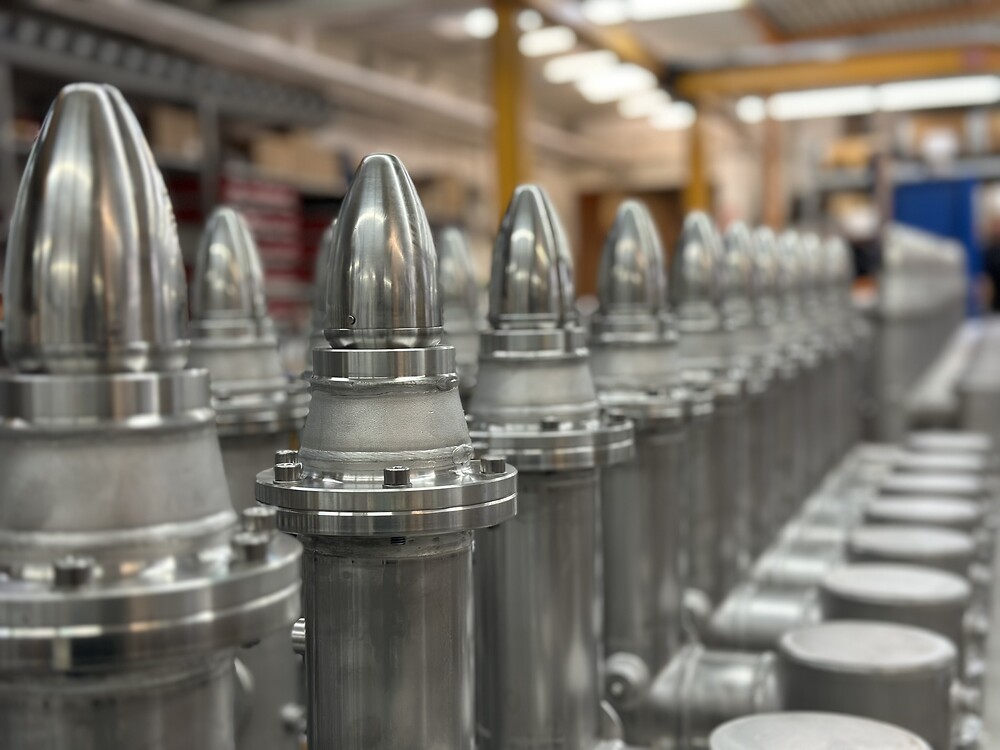
Tanker Valves: Safety, Compliance and Performance at Sea
In modern tanker operations, tanker valves are critical safety components. They protect cargo tanks against overpressure and vacuum conditions, ensure compliance with IMO and ISO standards, and reduce vapour emissions during loading and voyage.
As environmental regulations tighten and alternative fuels such as methanol and ammonia gain traction, selecting the right tanker valve solution is no longer only a technical decision — it is a strategic one.
Do you have questions about tanker valves and regulatory compliance? Contact our specialists today.
What Are Tanker Valves?
The term tanker valves typically refers to pressure and vacuum relief devices installed on cargo tanks aboard:
- Oil tankers
- Chemical tankers
- Gas carriers
- Dual-fuel vessels
Their primary purpose is to:
- Prevent structural damage from overpressure
- Protect against vacuum collapse
- Control vapour emissions
- Ensure safe gas dispersion away from crew areas
In most cases, tanker valves form part of a wider tank protection system, working together with inert gas systems (IG), vapour return systems (VECS), mast risers and flame arresters.
Without correctly specified tanker valves, a vessel risks:
- Cargo loss through unnecessary emissions
- Non-compliance with IMO, ISO15364 and ISO16852
- Increased maintenance costs
- Safety hazards for crew
Regulatory Requirements for Tanker Valves
Tanker valves must comply with a wide range of international standards, including:
- IMO MSC/1621 (methanol and alternative fuels)
- ISO 15364:2021 (high velocity pressure vacuum valves)
- ISO 16852 (flame arresters and endurance burn testing)
- IMO 677 (fire and deflagration testing)
- ATEX / ISO 80079 (explosive atmospheres)
For methanol and ammonia applications, additional considerations apply:
- Explosion group classification (minimum IIA, preferably IIB)
- Endurance burn testing
- Long vent pipe performance
- Non-oscillation behaviour
- Soft seal solutions to minimise leakage
The Type Approval Certificate must clearly state compliance with cargo type, vent pipe length and explosion group.
Mastering these regulations — and documenting performance accordingly — is essential to becoming a preferred supplier in the tanker segment.
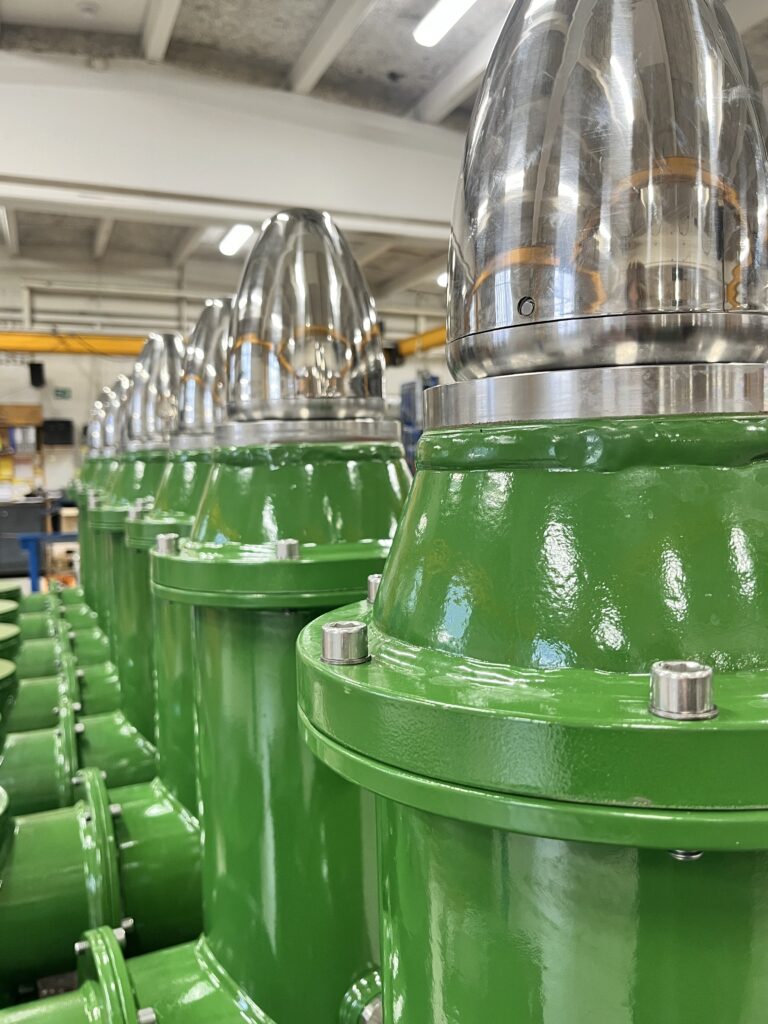
High Velocity Tanker Valves: Why Design Matters
Not all tanker valves perform equally.
Conventional weight-loaded valves can generate significant overpressure during opening. For chemical tankers, this may exceed allowable tank limits. For oil carriers, it may trigger alarms during loading.
A magnet-controlled weight-loaded design offers measurable advantages:
- Precise opening without pressure spikes
- Reduced blowdown (minimising emissions)
- Non-hammering performance
- Stable operation on long vent pipes
- Lower maintenance requirements
For vessels with extended vent piping — increasingly common on dual-fuel ships — valve performance on long pipe systems is critical. According to ISO standards, the valve must be tested and certified for the pipe length on which it is installed.
Failure to consider this can compromise both compliance and operational reliability.
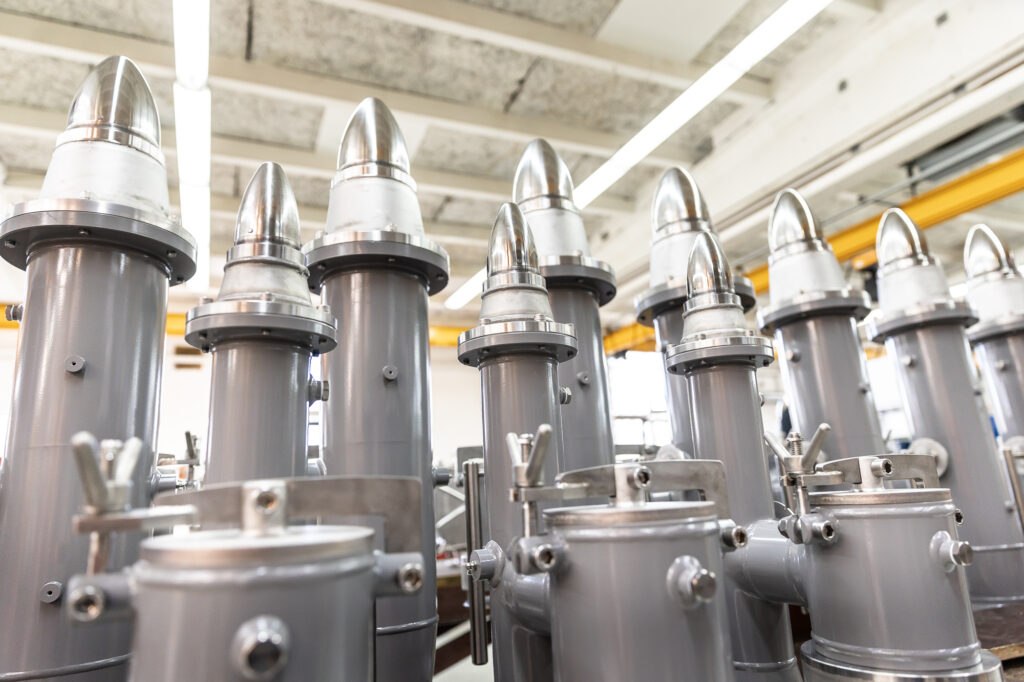
Reducing Cargo Loss and Emissions
Studies have shown that approximately 0.2% of oil cargo can be lost through vapour emissions — with around 30% occurring during voyage.
High-performance tanker valves help:
- Maintain constant tank pressure
- Reduce unnecessary vapour release
- Minimise environmental footprint
- Improve economic return for shipowners
A resilient soft seal can further reduce leakage rates, protect the seating surfaces, and extend service intervals.
For sustainability-focused operators, emission control is no longer optional — it is a commercial and regulatory necessity.
Tanker Valves for Alternative Fuels
The transition to methanol and ammonia introduces new challenges:
- Toxicity
- Higher vapour pressures at elevated temperatures
- Long double-wall vent lines
- Strict certification requirements
In these applications, tanker valves must:
- Achieve high exit velocities to ensure safe gas dispersion
- Be endurance burn tested
- Perform without oscillation
- Remain maintenance-friendly despite difficult access positions
Choosing a valve certified for both explosion group IIA and IIB increases the safety margin significantly.
How to Select the Right Tanker Valves
When specifying tanker valves, consider:
- Cargo type and vapour characteristics
- Vent pipe length and pressure drop calculations
- Required opening pressure and blowdown
- Flame arrester certification
- Maintenance accessibility
- Documentation and Type Approval transparency
A valve should not only comply on paper — it should deliver documented performance under real operating conditions.

Why Pres-Vac Engineering?
With decades of experience in pressure/vacuum valve technology for the tanker industry, Pres-Vac Engineering delivers:
- Certified high velocity pressure vacuum valves
- Proven performance on long vent pipes
- Reduced emission and cargo loss
- Non-oscillating, non-hammering designs
- Compliance with IMO, ISO and ATEX requirements
- Solutions suitable for methanol, ammonia and conventional cargo
We actively collaborate with shipyards, designers, classification societies and regulatory bodies to ensure future-proof tanker valve solutions.
Conclusion: Tanker Valves Are Critical Safety Equipment
Tanker valves are not commodity components — they are essential safety devices protecting cargo, crew and vessel integrity.
As regulatory demands increase and alternative fuels reshape ship design, the technical specification of tanker valves becomes even more important.
Selecting the right partner ensures:
- Regulatory compliance
- Reduced emissions
- Lower lifecycle costs
- Improved operational reliability
Looking to optimise your tanker valve solution? Contact our experts today or explore our high velocity pressure/vacuum valve range.
Contact our experts here:Contact – Pres-Vac Engineering